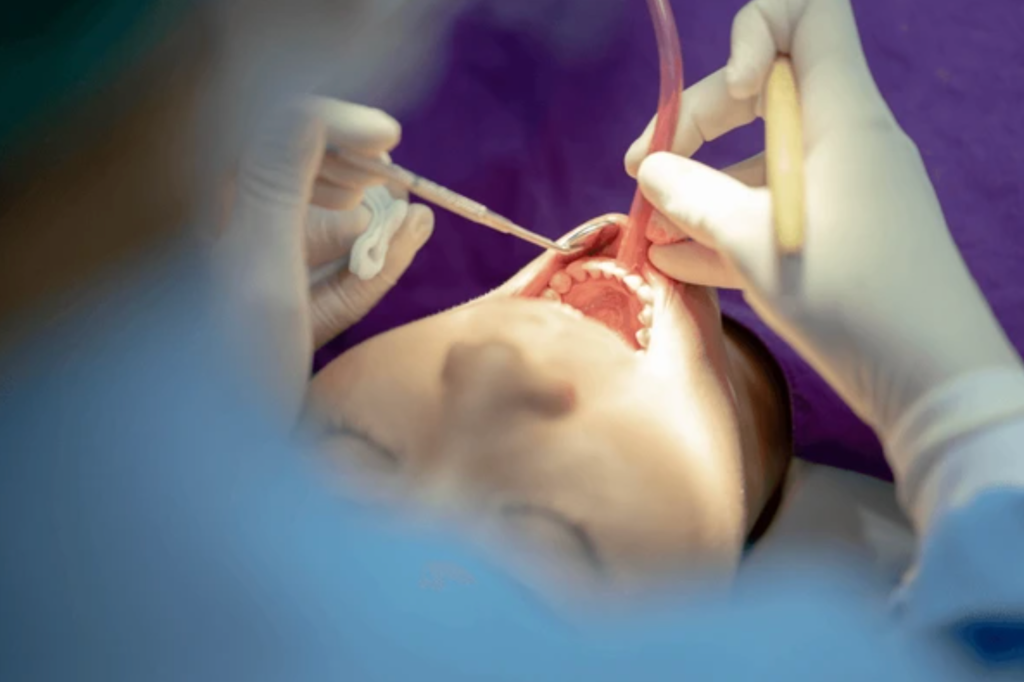
Maybe a sharp pain in your tooth wakes you up at 2 AM, and you’re wondering whether to rush to an emergency dentist or wait until morning. Situations like these can be stressful, and at Beacon Hill Dental, we want to empower you to know when to seek emergency dental care and when it can wait.
A true dental emergency often involves severe pain that prevents normal activities, heavy bleeding that won’t stop, severe facial swelling, or knocked-out teeth from trauma. Many other issues can often wait for a regular appointment, though you shouldn’t ignore ongoing discomfort.
What Makes a Dental Emergency Different from Regular Dental Issues
Real dental emergencies pose a risk to your health or can cause permanent damage if you don’t get immediate care. These situations need attention within hours, not days.
Regular dental problems cause discomfort, but don’t put your health at risk. You can often manage these issues with over-the-counter pain relief while you wait for a normally scheduled appointment.
Here are the key signs that it’s a true emergency:
- Severe pain that prevents sleep or regular activities
- Heavy bleeding that won’t stop
- Facial swelling that affects breathing or swallowing
- Knocked-out or broken teeth from trauma
Clear Signs You Need Emergency Dental Care Right Away
Severe Pain & Swelling
When pain becomes so intense that you can’t sleep, eat, or focus on anything else, you need immediate help. This type of pain is often associated with a serious infection or nerve damage.
Swelling in your face, jaw, or neck can indicate that an infection is spreading. If the swelling makes it hard to swallow or breathe, get emergency care immediately.
A fever alongside dental pain indicates your body is fighting an infection that needs prompt treatment.
Dental Trauma & Injury
A completely knocked-out adult tooth has the greatest chance of reattachment if you see a dentist within 30 minutes. With a knocked-out tooth, every minute counts.
Large pieces of broken teeth expose the inner pulp to bacteria and can cause intense pain. Sharp edges can also cut your tongue or cheek. Deep cuts or tears in your mouth that won’t stop bleeding need immediate attention to prevent excessive blood loss and proper healing.
Signs of Serious Infection
Pus or discharge around your teeth or gums are associated with an active infection that can spread quickly. A persistent bad taste in your mouth often means bacteria are multiplying faster than your body can fight them off, and it won’t go away on its own.
When you can’t open your mouth normally or have trouble swallowing, it might be a sign that an infection is affecting your jaw muscles, which means you need immediate treatment.
Common Dental Problems That Can Wait for Regular Appointments
Mild to Moderate Discomfort
A dull ache that comes and goes usually means early tooth decay or gum irritation. You can try to manage this with pain medication until your next appointment, but if the pain gets worse or persists, you can always call your dentist to ask for personalized advice.
Sensitivity to hot or cold foods typically develops gradually and responds well to desensitizing toothpaste. Minor gum irritation from flossing too hard or eating something sharp usually heals on its own with gentle care.
Small Chips & Lost Fillings
Small chips that don’t cause pain or create sharp edges can often wait for your next regular visit. Lost fillings without severe pain need replacement soon, but aren’t emergencies. Avoid chewing on that side until you can see the dentist.
Loose crowns that aren’t causing significant discomfort can often be temporarily secured with dental cement from the pharmacy. These issues should be addressed during your next routine dental exam to prevent complications.

What to Do Before You See an Emergency Dentist
For Knocked-Out Teeth
Your quick actions can make the difference between saving and losing a tooth. Handle the situation calmly, but move fast.
- Handle the tooth by the crown (the part you chew with), not the root
- Rinse gently with water if dirty
- Try to place it back in the socket or store it in milk
- Get to a dentist within 30 minutes if possible
For Severe Pain
These steps can help manage pain until you can get professional care:
- Gently rinse your mouth with warm salt water
- Take over-the-counter pain medication as directed
- Apply a cold compress to the outside of your cheek
For Bleeding
Controlling bleeding helps prevent complications and gives you time to reach emergency care:
- Apply gentle pressure with clean gauze
- Hold for 10–15 minutes without pulling the gauze off to check
- Use a cold compress on the outside of your mouth
Contact Our Team
When dental emergencies strike your family, you need reliable care from a dentist that Calgary families trust. Beacon Hill Dental provides emergency dental services alongside comprehensive family care, helping you get back to smiling quickly and comfortably. Whether you’re calling for personalized advice or looking to schedule an appointment, we’re here for you.