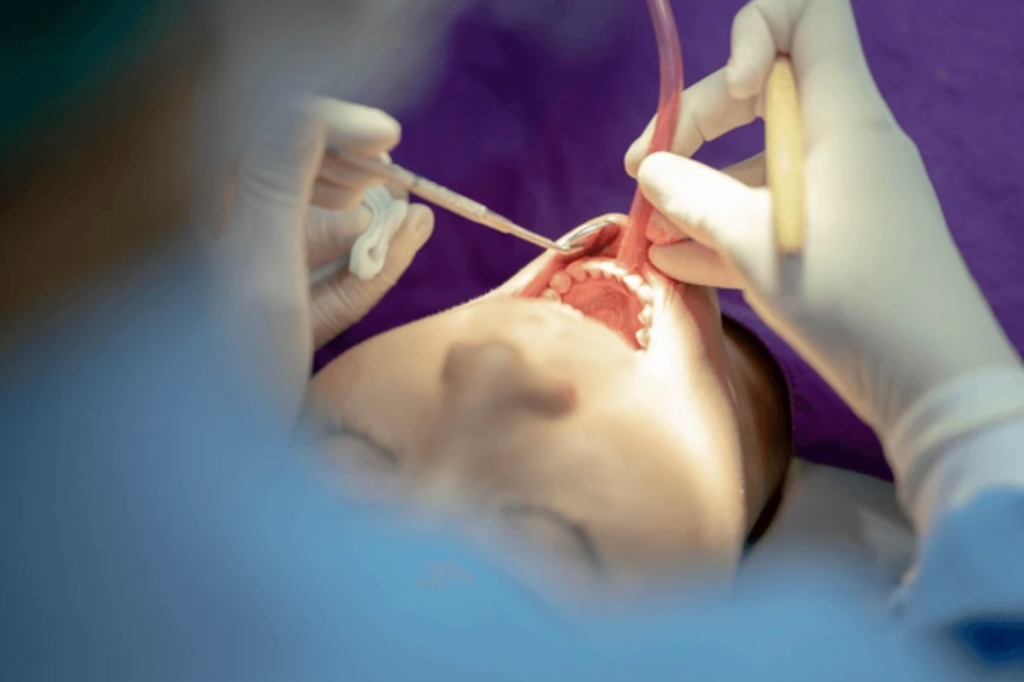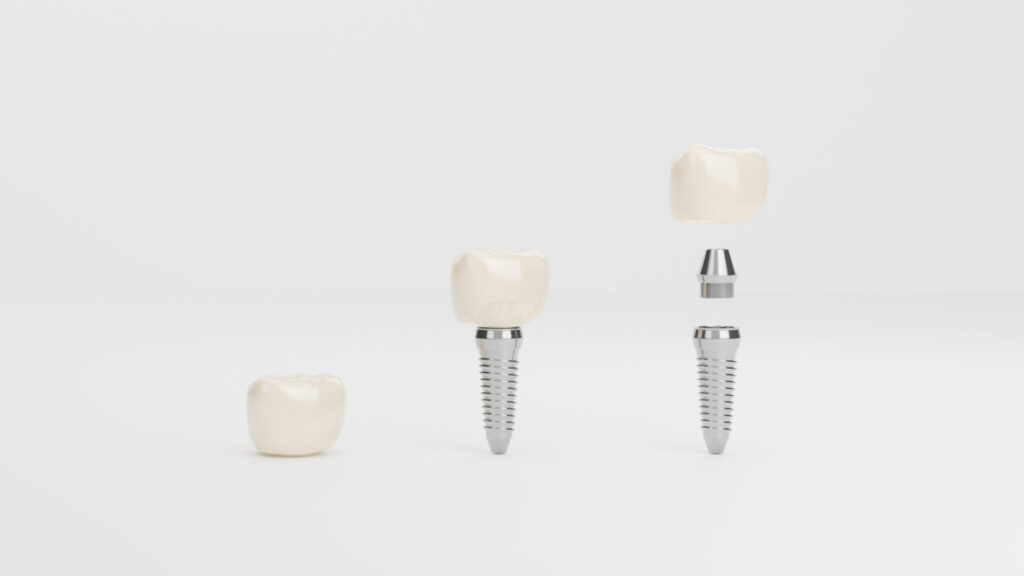
Dental implants can replace missing teeth and help restore chewing function, but understanding the healing process is an important part of preparing for treatment. If you are considering dental implants, you may have questions about discomfort, eating, oral hygiene, and how long recovery takes. Knowing what to expect can help you prepare for the days following surgery and understand when to contact your dental team. At Beacon Hill Dental in northwest Calgary, dental implant treatment is part of a broader approach to restoring oral health and function. Recovery varies from person to person, depending on factors such as the complexity of the procedure, the patient’s health, and whether additional treatment, such as bone grafting, is required. Your dentist will provide instructions based on your specific treatment plan.

What Happens Immediately After Dental Implant Surgery?
After dental implant surgery, it is normal to experience some swelling, tenderness, minor bleeding, or bruising around the surgical area. These symptoms are generally most noticeable during the first few days and should gradually improve as healing progresses. The amount of discomfort varies according to the procedure and the individual. Your dental team will provide instructions for managing discomfort and caring for the surgical site, and following those instructions is important during the early stages of recovery. Resting after the procedure, avoiding strenuous activity for the period recommended by your dentist, and taking prescribed or recommended medication as directed can help support healing. The initial healing period is only one part of the process. Although the gums may begin to feel better within days, the implant itself needs additional time to integrate with the surrounding jawbone before it can reliably support the final restoration.
How Long Does Dental Implant Recovery Take?
Dental implant recovery happens in stages rather than on a single timeline. The gums and surrounding soft tissues begin healing during the first few weeks, while osseointegration, the process in which the implant bonds with the jawbone, takes longer. This integration commonly takes several months, although the exact duration depends on the individual and the treatment performed. Some patients may receive a temporary restoration during healing, while others may need to wait until the implant is sufficiently stable before the final crown is attached. If bone grafting or other additional procedures are necessary, the overall treatment timeline may be longer. Your dentist will monitor your progress and determine when the implant is ready for the next stage of treatment. Rather than comparing your recovery with someone else’s experience, follow the timeline provided for your particular procedure.
What Can You Eat After Dental Implant Surgery?
Your diet may need to change temporarily while the surgical site heals. Softer foods are often more comfortable during the initial recovery period because they require less chewing and reduce pressure around the implant area. Depending on your dentist’s instructions, suitable options may include scrambled eggs, yoghurt, mashed vegetables, cooled oatmeal, and soft pasta. Avoid foods that are hard, crunchy, sticky, or difficult to chew while your surgical site is healing. Very hot foods and drinks may also be unsuitable immediately after surgery, particularly while numbness persists. Follow your dentist’s advice about when to return to your usual diet and whether you should avoid chewing directly over the implant. Maintaining adequate nutrition and hydration supports the body’s healing process, and if you have received multiple implants or additional surgical treatment, your dietary recommendations may differ from those following a straightforward implant procedure.
How Should You Care for Your Mouth During Recovery?
Good oral hygiene remains important after dental implant surgery, but the surgical area requires particular care. Your dentist will explain when and how to brush near the site, whether a prescribed rinse is appropriate, and which cleaning methods to avoid temporarily. Do not scrub the surgical area or disturb any stitches while following your post-operative instructions. Depending on the procedure, you may be advised to avoid vigorous rinsing, spitting, or using a straw during the early healing period to help protect the surgical site. Smoking and vaping can also interfere with healing, so ask your dental team for advice about avoiding them during recovery. Once the surgical area has healed sufficiently, consistent brushing, cleaning between the teeth, and professional dental care help maintain the health of the gums and tissues surrounding the implant. Beacon Hill Dental provides dental exams and cleanings to support ongoing oral health, and your dentist can advise when it is appropriate to resume routine hygiene appointments after surgery.

What Are the Signs That You Should Contact Your Dentist?
Some tenderness and swelling are expected after implant surgery, but symptoms should generally improve rather than become progressively worse. Contact your dental team if you experience increasing pain or swelling, persistent bleeding, fever, pus, or a foul taste or discharge from the surgical area. You should also contact your dentist if the implant or temporary restoration feels loose or if you have concerns about how the site is healing. Do not wait for a scheduled follow-up appointment if symptoms are worsening or you suspect a complication. Your dental team can assess whether further care is needed. Severe facial or neck swelling accompanied by difficulty breathing or swallowing requires immediate emergency medical attention. Following your post-operative instructions and attending recommended follow-up appointments allows your dentist to monitor healing and address concerns as early as possible.
How Can You Prepare for a Successful Recovery?
Preparing before surgery can make the recovery period easier to manage. Arrange transportation if sedation or other medication may affect your ability to drive, plan to take time off from strenuous activities, and have suitable soft foods available at home. Make sure you understand your medication instructions and know how to contact your dental team if questions arise. It is also helpful to discuss your medical history, current medications, smoking or vaping habits, and any concerns about healing before the procedure. These details can help your dentist assess your individual needs and provide appropriate guidance. At Beacon Hill Dental, the team explains treatment options and helps patients understand what to expect throughout the process. You can learn more about the practice’s dental surgery services or explore its dental implant treatment to learn more about the procedure and arrange a consultation.
Supporting Your Smile Beyond Implant Surgery
Dental implant recovery is an important step towards restoring the function of a missing tooth, but long-term care remains essential. Once your implant has healed and the final restoration is in place, brushing, cleaning between your teeth, attending regular dental appointments, and following your dentist’s recommendations can help maintain the surrounding tissues and the restoration itself. Every patient’s treatment and healing timeline is different, so it is important to follow the advice provided by your dental team rather than relying on a general recovery schedule. If you are considering dental implants or have questions about recovery after a procedure, the team at Beacon Hill Dental in northwest Calgary can explain your options and help you understand the next steps. To discuss dental implant treatment, contact Beacon Hill Dental to arrange an appointment.