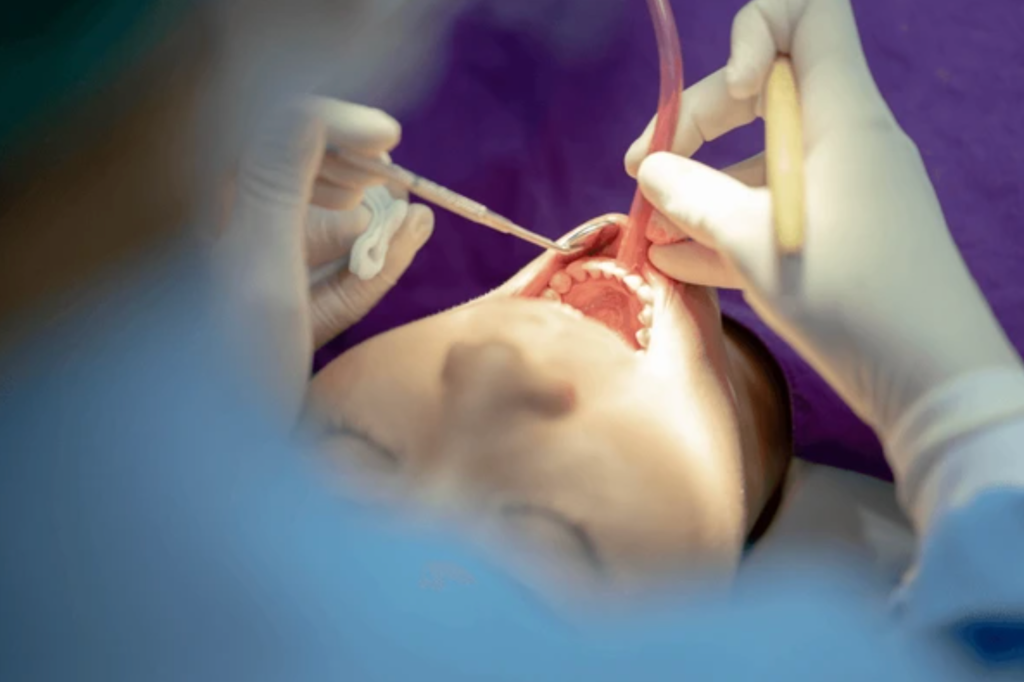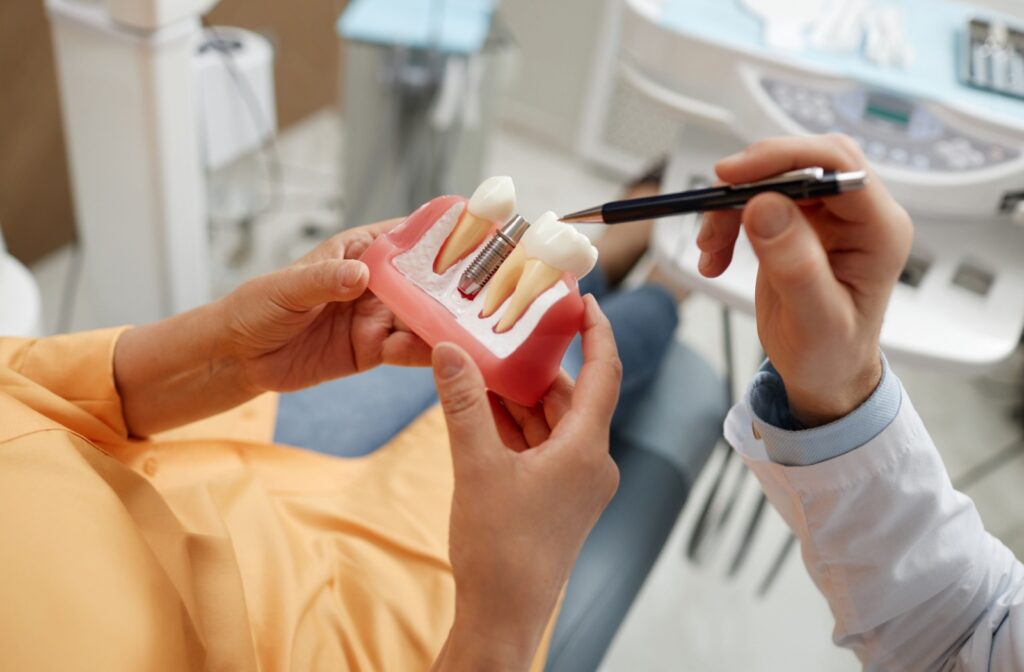
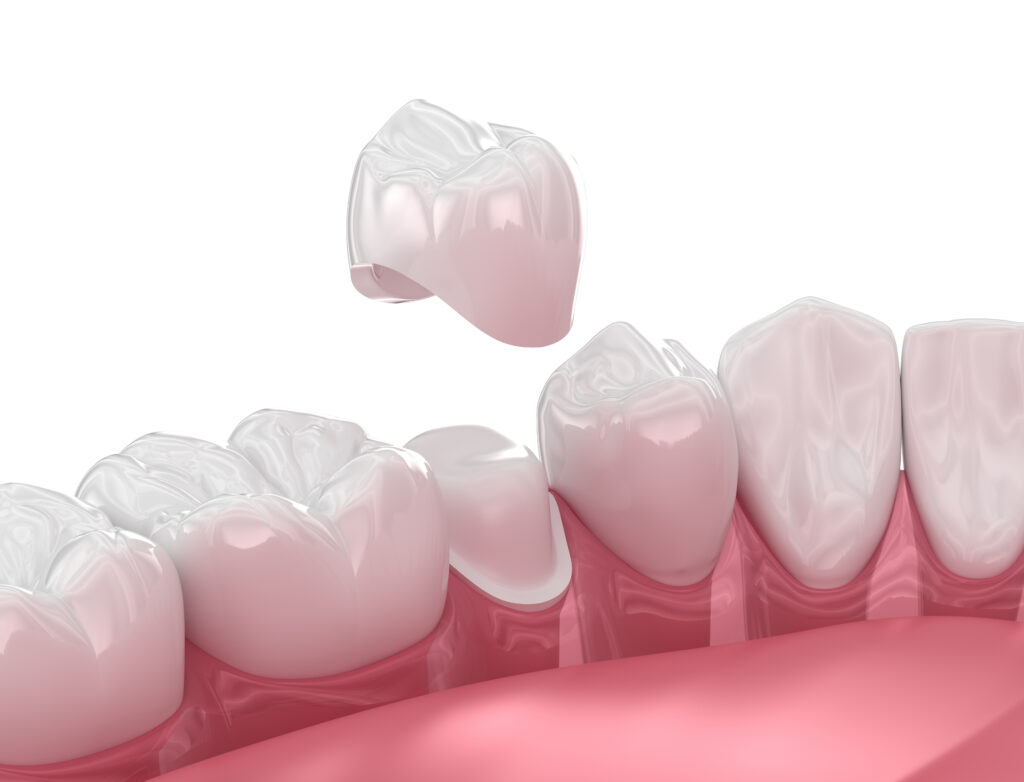
A dental crown may sometimes be considered when a tooth has lost substantial structure because of decay, fracture, a large restoration, or previous treatment. For patients covered through the Canadian Dental Care Plan, crowns are different from many routine dental services because CDCP coverage requires preauthorization and specific clinical criteria. Beacon Hill Dental accepts CDCP patients and provides dental crowns in Calgary when a crown is considered appropriate for the individual tooth.
Are Dental Crowns Covered by the CDCP?
Certain single-unit crowns may be considered for CDCP coverage for eligible patients who are 18 years of age or older. Coverage is not automatic. The tooth must meet the CDCP’s eligibility and restorability criteria, and approval must be received through the preauthorization process before treatment begins.
What Does CDCP Preauthorization Mean?
Preauthorization is the process used to determine whether a proposed service meets the CDCP’s requirements for coverage. The dental provider submits the required treatment information and supporting documentation for review. Approval relates to CDCP coverage and does not replace the clinical discussion between the dentist and patient about whether treatment is appropriate.
Why Does the CDCP Need Information About the Tooth?
For crown requests, the CDCP requires clinical information that can include dental X-rays, treatment-plan details, and periodontal information. These records help determine whether the tooth meets the program’s requirements and whether other active oral health concerns need to be addressed first.
Does Every Broken or Heavily Filled Tooth Qualify?
No. A dentist may clinically recommend a crown while the CDCP separately determines whether that crown qualifies for program coverage. The 2026 CDCP criteria consider factors such as remaining tooth structure, restorability, periodontal health, and why the crown is being proposed.
Are Cosmetic Crowns Covered?
The CDCP does not consider crowns for coverage when the reason is solely to improve appearance. The program is focused on eligible oral-health treatment rather than cosmetic treatment. Beacon Hill Dental can explain the clinical reason for a proposed restoration and provide general information about CDCP coverage.
What if the Tooth Has Had a Root Canal?
A crown may sometimes be considered after root canal treatment when the tooth requires additional restoration. Under current CDCP policy, an endodontically treated tooth must have healed before a crown request is submitted. Crown preauthorization criteria still apply.
Does CDCP Approval Mean the Crown Is Free?
Not necessarily. Even when a crown receives CDCP authorization, a patient may have a co-payment or other amount to pay. The CDCP pays according to its established fees and the patient’s coverage level, while dental-office fees may differ. Expected costs should be reviewed before proceeding.
How Many Crowns Can the CDCP Cover?
The current CDCP guide includes frequency limitations for crowns. Coverage is limited to four crowns within a 10-year period per client and generally one crown on an eligible tooth within an eight-year period. These are coverage rules, not recommendations about how often a patient should clinically receive treatment.
Looking for Information About CDCP Dental Crowns in Calgary?
If you have been told that a tooth may need a crown and you are covered by the Canadian Dental Care Plan, Beacon Hill Dental can assess the tooth and explain what information may be needed for a coverage request. Contact Beacon Hill Dental to arrange an assessment and discuss your restorative and CDCP questions.