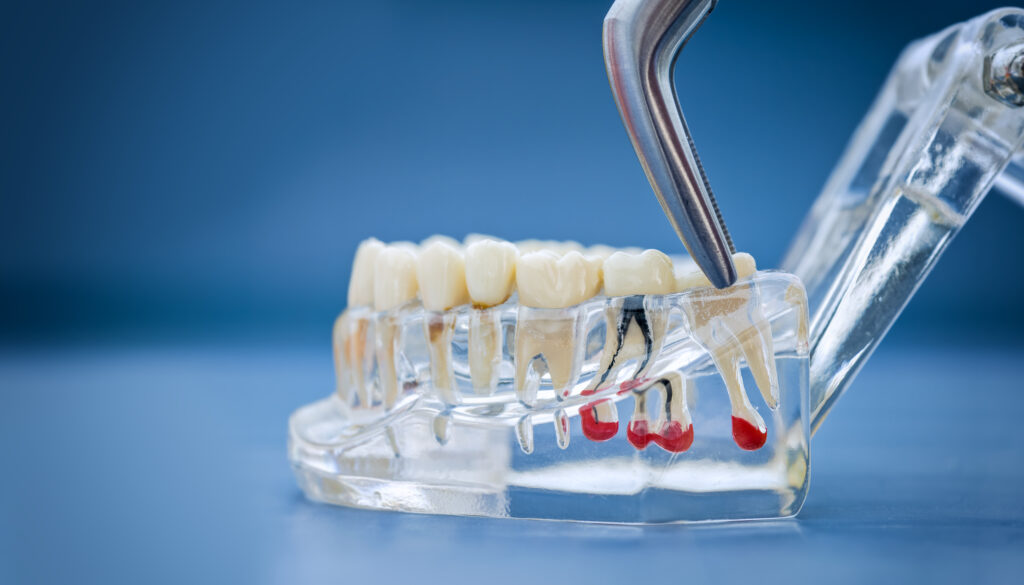
You may be grinding your teeth while you sleep without realizing it. Unlike daytime clenching, which you may notice when you are stressed or concentrating, nighttime grinding happens when you are not consciously aware of what your jaw is doing. Some people discover the habit because a partner hears them grinding their teeth, while others only realize something is happening after noticing morning jaw soreness, headaches, tooth sensitivity, or changes to their teeth. Teeth grinding, also called bruxism, can put considerable pressure on the teeth and jaw over time. At Beacon Hill Dental in NW Calgary, night guards are custom-made for patients who clench or grind their teeth during sleep. Recognizing the signs early can give you an opportunity to discuss what you are experiencing with your dentist before ongoing pressure leads to additional wear or damage.
What Is Teeth Grinding?
Teeth grinding occurs when you repeatedly clench or move your teeth against one another, often while sleeping. Because it happens outside your conscious awareness, you may have no idea that you are doing it. The amount of pressure generated during grinding can also be significantly greater than the normal forces involved in eating and speaking, which is why repeated grinding can affect both the teeth and the muscles around the jaw. Not everyone who grinds their teeth experiences the same symptoms. Some people may notice obvious wear or damage to their teeth, while others first become aware of jaw tightness, morning headaches, or sensitivity. In some cases, the habit is noticed by someone else before the person doing the grinding recognizes anything is wrong.

What Are the Signs That You Grind Your Teeth at Night?
Morning symptoms can provide some useful clues. You might wake up with a sore or tired jaw, tightness around your face or temples, or a headache that seems to have appeared overnight. Your teeth may also feel more sensitive than usual, particularly if you are experiencing ongoing pressure or wear. Changes to the teeth themselves can be another sign. Beacon Hill Dental identifies worn or flattened teeth, chipped or fractured teeth, morning headaches, jaw soreness or tightness, facial or temple pain, earaches without infection, and increased tooth sensitivity among the signs that can be associated with clenching or grinding. These symptoms do not automatically mean that you grind your teeth. Jaw discomfort and tooth sensitivity can have several possible causes, which is why an examination is useful if you are noticing a pattern.
Can Teeth Grinding Damage Your Teeth?
Repeated grinding can place significant mechanical pressure on the teeth. Over time, that pressure may contribute to enamel wear, chips, cracks, sensitivity, or damage to existing dental work. The extent of the damage depends on factors such as how frequently you grind, how much force you generate, how long the habit has been occurring, and the condition of your teeth. This is particularly important if you already have fillings, crowns, or other restorations. Beacon Hill Dental notes that night guards can help protect existing dental work while creating a barrier between the upper and lower teeth. If a tooth has already become significantly worn or damaged, a night guard does not replace the need to assess and treat that tooth. Depending on the condition, restorative treatment such as a crown may be discussed to protect and strengthen the remaining tooth structure.
Why Does My Jaw Hurt in the Morning?
Your jaw contains muscles that work whenever you chew, speak, or move your mouth. If those muscles are repeatedly contracting during sleep because of clenching or grinding, you may wake up feeling as though your jaw has been working all night. The discomfort may feel like soreness or tightness around the jaw, temples, or face. Some people also notice that their jaw feels tired when they wake up or that they have difficulty relaxing the muscles around their mouth. These symptoms can have other causes as well, so persistent jaw discomfort should be assessed rather than automatically attributed to teeth grinding. If you regularly wake up with jaw soreness and also notice worn teeth, sensitivity, headaches, or other signs of grinding, mention the combination of symptoms when you visit your dentist.
What Is a Night Guard?
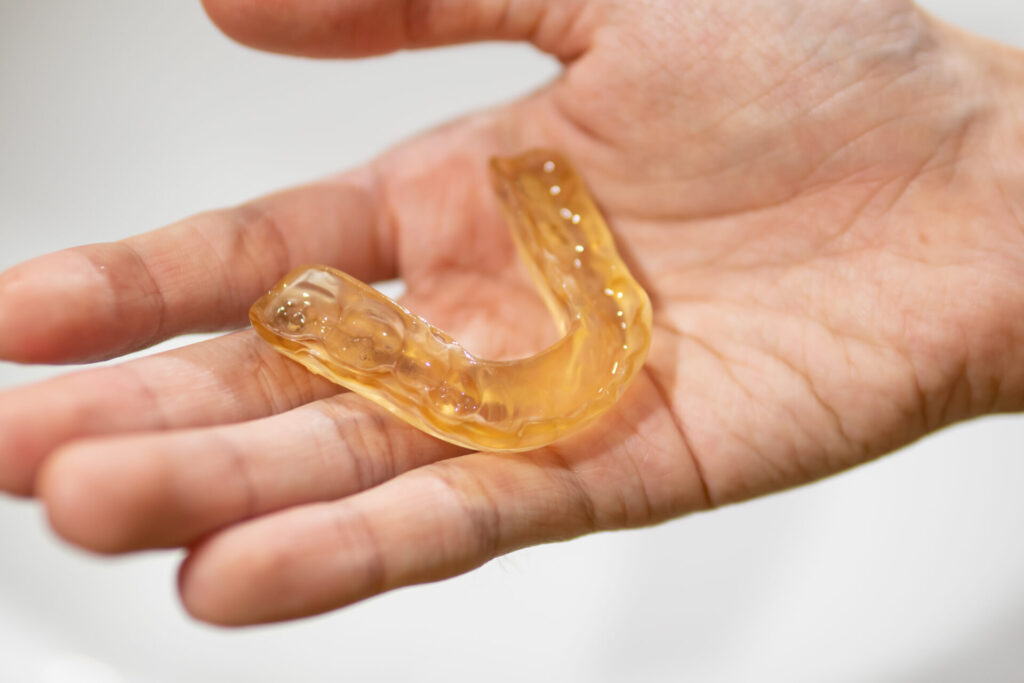
A night guard is a removable dental appliance designed to be worn while you sleep. It creates a protective barrier between the upper and lower teeth, helping reduce direct contact when you clench or grind. Beacon Hill Dental provides custom-made night guards designed specifically for a patient’s bite. The practice explains that custom appliances are designed for comfort, durability, and proper protection, rather than using a generic shape intended to fit a wide range of mouths. That custom fit matters because a night guard needs to be comfortable enough for you to wear consistently. An appliance that feels bulky, uncomfortable, or poorly fitted may be difficult to use regularly.
Are Custom Night Guards Better Than Store-Bought Guards?
There are over-the-counter mouth guards available in many pharmacies and sporting-goods stores, but these are not designed specifically for your individual bite. A custom night guard is made for your mouth and can be evaluated by your dental team as part of your overall oral health. Beacon Hill Dental specifically distinguishes its custom night guards from over-the-counter options, noting that custom appliances are designed for the individual bite and are intended to provide better comfort and stability. That does not mean every person who wakes up with jaw soreness automatically needs a custom night guard. The first step is determining whether nighttime grinding or clenching is actually contributing to the problem and whether a night guard is appropriate for you.
Can a Night Guard Stop Me From Grinding My Teeth?
A night guard does not necessarily eliminate the underlying reason someone clenches or grinds. Instead, its primary role is to provide protection by separating the teeth and reducing the direct forces placed on them. This distinction is important. If you wear a night guard but continue to grind, the appliance may still be doing its job by helping protect your teeth from direct contact. Your dentist can monitor the condition of your teeth and the appliance over time and determine whether additional evaluation is appropriate. The goal is to protect your teeth while also paying attention to the symptoms and circumstances surrounding the grinding.
When Should I Ask a Dentist About Teeth Grinding?
If you regularly wake up with jaw soreness, headaches, facial tension, tooth sensitivity, or other symptoms that suggest nighttime clenching or grinding, it is worth mentioning them during a dental appointment. The same applies if you have noticed unusual wear, chips, cracks, or changes to existing dental work. A dental examination can give your dentist an opportunity to look for physical signs that may not be obvious when you examine your own teeth in the mirror. Regular examinations also allow the condition of your teeth, gums, bite, and existing restorations to be monitored over time. Beacon Hill Dental provides routine dental examinations and uses those appointments to assess oral health and identify potential concerns. You do not need to wait until you have significant tooth damage before bringing up the possibility of grinding. If something has changed, mentioning it early gives your dental team more information to work with.

What If I Already Have a Damaged Tooth?
A night guard may help protect your teeth from further grinding pressure, but a tooth that is already cracked, fractured, severely worn, or otherwise damaged may need separate treatment. The appropriate approach depends on how much healthy tooth structure remains and what caused the damage. For example, Beacon Hill Dental describes dental crowns as restorations that can protect teeth that have been weakened by cracks, fractures, extensive fillings, or wear. Crowns can also be used after root canal treatment and as restorations placed over dental implants. That is why a night guard should be considered part of a broader approach to protecting your oral health rather than a replacement for treating existing dental problems.
Protecting Your Teeth Starts With Knowing What Is Happening
Nighttime teeth grinding can be difficult to recognize because you may be completely unaware that it is happening. The first clues may come from your partner, your dentist, or your own experience of waking up with a sore jaw or sensitive teeth. If you suspect that you are grinding your teeth, pay attention to the pattern and tell your dental team what you have noticed. An examination can help determine whether there are physical signs of grinding and whether a custom night guard may be appropriate. Beacon Hill Dental offers custom night guards in NW Calgary for patients who clench or grind their teeth while sleeping. The team can assess your teeth and bite and discuss whether a night guard is a suitable part of your dental-care plan.
A Night Guard Can Be Part of Protecting Your Smile
You do not have to hear yourself grinding your teeth at night to take the possibility seriously. Morning jaw soreness, headaches, sensitivity, worn teeth, and damage to existing dental work can all be reasons to talk with your dentist about what may be happening while you sleep. A night guard provides a protective barrier between your teeth, but the bigger goal is understanding what is happening in your mouth and protecting your teeth before avoidable damage becomes more extensive. If you have noticed signs of grinding or clenching, a dental examination can help you understand what your dentist sees and what options may be appropriate for you.
If you’re looking for a night guard in Calgary NW, Beacon Hill Dental can assess your needs and discuss custom protection designed around your bite.